

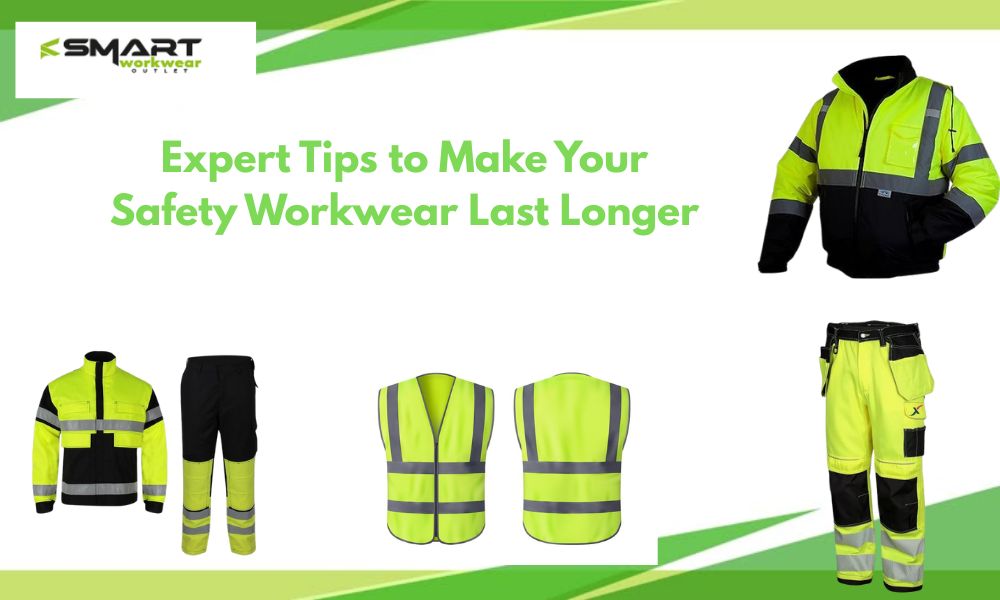
Expert Tips to Make Your Safety Workwear Last Longer
Buying qulity workwear is essential across industries like healthcare, hospitality, construction, and more. Uniform is important in representing your company’s image. Moreover it also play a key role in supporting employee comfort, safety, and productivity. But proper care and maintenance is necessary for workwear fabrics to function effectively.
So, what safety steps should you keep in mind? Let us get into further details.
The Importance Of Caring For Workwear Fabrics
When you care for your workwear attire, they last longer and do their jobs well. With the quality workwear, you can buildup your trust that it can handle tough conditions, whether it's the weather or the work itself. But sadly, if the clothes get damaged or worn out, it can affect safety and how well someone does their job.
Also, taking care of workwear is better for the environment. When clothes last longer, we don’t need to replace them as often, which means less waste. So, caring for your uniforms helps both the worker and the planet.
Tips To Care For Your Safety Workwear
1. Spot Clean First to Prevent Deep Fabric Damage
First of all, the area with the heavy stain should be treated properly before tossing workwear into the machine. Letting tough dirt or grease soak into the fibers over time makes them harder to clean and shortens garment life. Use a soft brush or cloth to carry visible buildup, especially on knees, cuffs, or collars.
2. Choose Detergents That Respect the Fabric
You canot blind trust on any kind of detergent. Strong bleaches or chemical-heavy formulas can break down safety finishes or wear out fabric integrity. A mild, non-abrasive detergent preserves the color, texture, and performance coatings of your uniforms.
3. Skip the Hot Water- Cold Cycles Are Safer
When you wash with the cold water, it can help reduce shrinkage and fading while extending the overall durability of the clothing. Hot water may seem like it offers a deeper clean, but for most uniforms, especially those with technical fabrics, it may leads to more harm than good.
4. Avoid Overloading the Washing Machine
Cramming too many uniforms into a single cycle not only leads to a poor wash but also increases friction between garments, which wears out the fibers faster. Keep loads balanced so each piece gets a thorough but gentle clean.
5, Drying Your Workwear the Right Way
Going with the excessive drying options? Not a good approach! It can cause causing shrinkage and dullness of the fabric over time. To maintain integrity, the best practise to air-dry uniforms in a shaded, well-ventilated area where moisture can escape without direct sun exposure. When using a dryer becomes necessary, always opt for a low-heat setting to minimize the risk of garment distortion or damage to protective coatings.
6. Smart Ironing Tips
Ironing your workwear helps maintain a crisp, professional look while keeping the fabric smooth and wearable. But what is the pro top? Always turn garments inside out to shield prints, logos, or special finishes from heat damage. For uniforms made of wrinkle-resistant fabric, hanging them straight after washing can often eliminate the need for ironing altogether.
7. Proper Storage to Maintain Shape And Freshness
The last and the most important step is proper storage and maintenance. Uniforms should be hung on sturdy hangers in a dry, clean space, away from sunlight that can cause colors to fade. Avoid cramming them into drawers or tight spaces, as folding or stuffing can lead to deep creases and a misshapen fit.
Conclusion
At the end of the day, caring for your workwear is about protecting the investment you’ve made and ensuring it performs through every season and task. Regular maintenance keeps your uniforms looking sharp, supports a professional image, and strengthens daily safety. Proper care extends garment life, reduces replacement costs, and contributes to a more efficient, sustainable work environment. By following simple upkeep practices, from cleaning to repairs, you build confidence in the gear your team relies on. After all, your workwear works as hard as you do; treat it well.